
3D printing, also known as additive manufacturing, has emerged as a groundbreaking technology reshaping how we create, design, and innovate. The benefits of 3D printing are numerous, offering unmatched flexibility, efficiency, and customization capabilities. From its early days as a niche tool for rapid prototyping, 3D printing has evolved into a mainstream manufacturing solution used across industries. With its ability to produce complex geometries, minimize material waste, and enable on-demand production, the 3D printing advantages continue to fuel innovation and transform traditional production processes worldwide.
The pros of 3D printing extend far beyond manufacturing. From revolutionizing healthcare with personalized prosthetics and bioprinted organs to enabling lightweight, durable parts for aerospace and automotive applications, its impact is unprecedented. Educational institutions are incorporating 3D printing into curriculums to nurture tomorrow’s creators, while small businesses and hobbyists are leveraging its potential for creative and cost-effective solutions. This versatile tool is driving progress in sustainability, accessibility, and innovation, ensuring that the future of design and production is both limitless and inspiring.
Unleashing the Power of 3D Printing: A Deep Dive into Its Benefits

Why Choose 3D Printing Over Traditional Methods?
Have you wondered why businesses and innovators are increasingly adopting 3D printing? The answer lies in its vast array of advantages that elevate it above traditional manufacturing methods. The benefits of 3D printing include faster production cycles, reduced waste, and the unparalleled ability to customize. These 3D printing benefits aren’t just trends; they are reshaping how industries across the globe operate.
For instance, unlike injection molding or CNC machining, 3D printing adds material layer by layer. This approach ensures minimal waste and creates highly detailed designs without the need for extra tooling. Whether you’re a manufacturer pushing boundaries or an educator teaching new skills, the pros of 3D printing give you unmatched versatility.
What Are Some Real-World Applications of 3D Printing?
1. Revolutionizing Healthcare
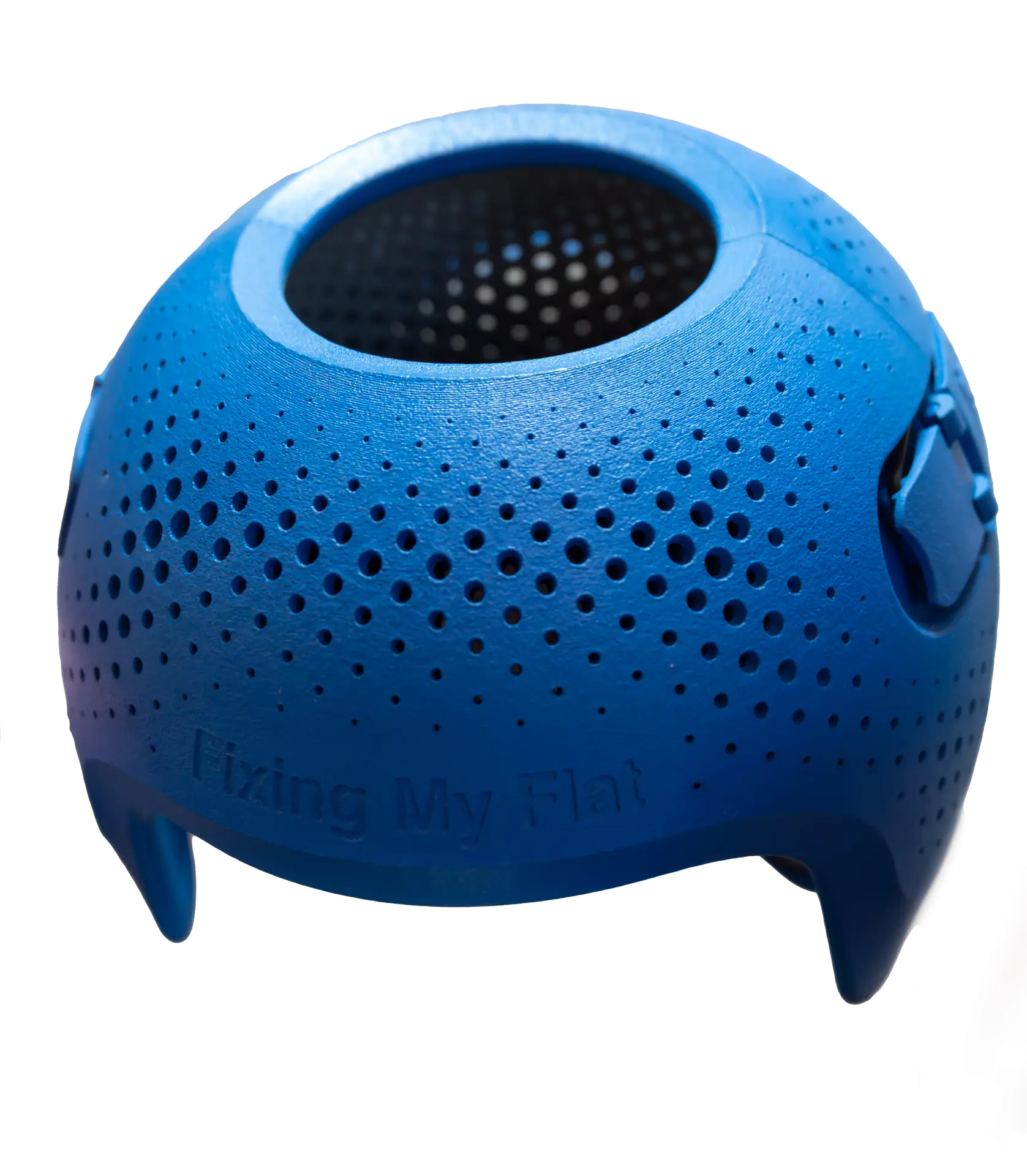
How is 3D printing transforming the medical field? With personalized patient care. Doctors now use 3D printing to create custom prosthetics, implants, and even anatomical models for planning complex surgeries. A wonderful example of 3D printing advantages in healthcare is the production of low-cost, precisely tailored prosthetics for children, allowing them to experience an improved quality of life.
Key Benefits:
- Prosthetics tailored to individual needs.
- Bioprinting organs to address donor shortages.
2. Advancing Aerospace and Automotive Industries
Why do aerospace and automotive industries trust 3D printing? It’s simple. Manufacturers can produce lightweight yet durable components that enhance performance. For example, utilizing 3D printing, Tesla improved its car parts’ efficiency by designing intricate, hollow structures otherwise impossible to achieve with conventional methods.
Key Benefits:
- Lightweight components for better fuel efficiency.
- Rapid prototyping of car or aircraft parts to refine designs quickly.
How Does 3D Printing Impact Sustainability?
Is 3D Printing Really Eco-Friendly?
Yes! One of the lesser-known yet incredibly powerful 3D printing benefits is its eco-friendliness. Traditional manufacturing processes often generate excessive scrap materials during production. On the other hand, additive manufacturing uses only the exact material required.
For example:
- Companies designing 3D-printed shoes use recyclable materials, significantly reducing their environmental footprint.
- Localized production lowers greenhouse gas emissions by minimizing the need for transportation.
What Questions Should You Ask Before Adopting 3D Printing?
How Does It Save Costs?
3D printing can reduce costs in several ways:
- Low Initial Setup: Forget about expensive molds or dies.
- On-Demand Manufacturing: Produce only what you need, minimizing storage expenses.
Can It Handle Complex Projects?
Absolutely. One of the standout pros of 3D printing is its ability to fabricate intricate geometries that were once unattainable with traditional machinery. For architects or engineers, this means creating scale models with high precision and attention to detail.
Final Thought
With these diverse applications and endless possibilities, the benefits of 3D printing go far beyond mere production. Whether you’re looking for speed, sustainability, or creative freedom, 3D printing delivers it all. Have questions about how 3D printing can revolutionize your industry? The answer is just a layer away!
The Speed Advantage
Rapid Prototyping Made Easy
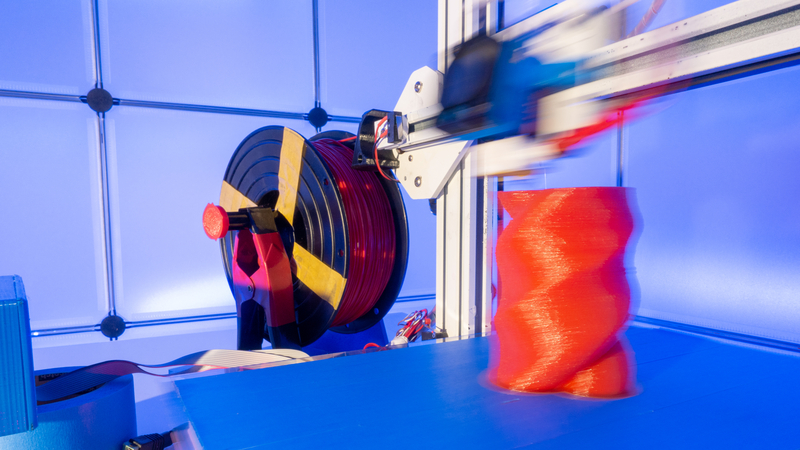
How does 3D printing enhance the speed of prototyping? Unlike traditional methods, which often require extensive tooling and preparation time, 3D printing allows you to transition from a digital design to a physical prototype in mere hours. This makes iteration faster and significantly more efficient.
Key Benefits:
- Reduced time from design to prototype: With 3D printing, the time-consuming step of tool creation is eliminated. Designers can go straight from CAD files to tangible models.
- Seamless iteration: Need to refine your design? 3D printing makes it possible to tweak and reprint prototypes quickly, without delays caused by retooling or extensive downtime.
Industries like automotive and product design are already reaping these 3D printing advantages. For example, car manufacturers use 3D printing to create prototype parts for testing aerodynamics, ensuring precise adjustments before mass production. Similarly, product designers can generate multiple iterations of a single object to fine-tune functionality and aesthetics in record time.
Faster Time-to-Market
Can 3D printing really accelerate production cycles? Yes, and this is one of the defining pros of 3D printing. Traditional manufacturing methods usually involve lengthy processes, from sourcing materials to setting up production lines. 3D printing skips much of that, enabling quicker movement from design to delivery.
Key Benefits:
- Streamlined production: Businesses no longer need to wait weeks for molds or custom parts. 3D printing enables on-demand manufacturing, cutting lead times drastically.
- Competitive edge: Companies that adopt 3D printing gain a decisive advantage, as they can launch products faster and respond to market demands in real time.
Take, for instance, startups in the tech industry. By leveraging the speed of 3D printing, they can outpace competitors by debuting new products ahead of schedule. Similarly, in automotive manufacturing, 3D-printed prototypes allow teams to test and finalize designs much earlier in the production cycle, improving efficiency and reducing delays.
A Final Question to Consider
Are you ready to harness the speed advantage of 3D printing for your business? From rapid prototyping to faster time-to-market, the benefits of 3D printing empower companies to innovate and thrive in an increasingly competitive world.
Endless Customization and Personalization

Mass Customization
How does 3D printing enable mass customization? One of the standout benefits of 3D printing is its ability to produce personalized products at scale. Unlike traditional manufacturing, where creating custom items is time-consuming and costly, 3D printing easily adapts designs to individual needs without additional tooling.
Key Benefits:
- Personalized products tailored to unique specifications.
- Adaptable production for niche markets or specialized applications.
Examples of 3D printing benefits in action include consumer goods like custom-fit earbuds and furniture designed to individual measurements. The medical field is also leveraging this advantage, with personalized prosthetics and dental aligners like Invisalign transforming patient care. These applications showcase how the pros of 3D printing make personalized production scalable and efficient.
Complex Geometries
Can 3D printing handle intricate designs? Absolutely. One of the major 3D printing advantages is its ability to fabricate complex geometries that are nearly impossible to achieve with traditional methods. This allows for greater creativity and innovation across multiple fields.
Key Benefits:
- Ability to design intricate, organic, or lattice-like shapes.
- Seamlessly integrates aesthetics with functional performance.
For example, architects can now create detailed scale models with intricate facades, while fashion designers use 3D printing to push the boundaries of wearable art through complex patterns. Even in tech hardware, 3D printing enables efficient yet lightweight structures for devices such as drones or robotics components. These examples highlight how the pros of 3D printing are empowering industries to innovate like never before.
On-Demand Production
How does 3D printing reduce inventory costs? By allowing production only when items are needed. Traditional manufacturing often requires large production runs, leading to excess inventory and storage costs. However, 3D printing flips this model by enabling on-demand manufacturing.
Key Benefits:
- Minimal storage needs and reduced waste.
- Faster fulfillment of custom orders.
For instance, small businesses can use 3D printing to create products as they’re ordered, eliminating the need to maintain costly warehouses. Similarly, the healthcare industry can manufacture medical devices or surgical guides on demand, ensuring efficiency without overstocking. This flexibility brings unparalleled advantages to sectors prioritizing cost management and responsiveness.
Final Thought
From mass customization to intricate designs and on-demand production, the benefits of 3D printing are transforming the landscape of modern manufacturing. Are you ready to explore how these 3D printing advantages can help you innovate, save money, and deliver truly personalized results?
Environmental and Sustainable Benefits

Reduced Waste
How does 3D printing help minimize material waste? Traditional manufacturing methods, such as cutting or machining, often result in significant material loss during production. By contrast, 3D printing, also known as additive manufacturing, uses only the precise amount of material needed for each project. This not only saves resources but also reduces the environmental impact.
Key Benefits:
- Additive process eliminates excess material waste.
- Efficient use of raw materials leads to less resource depletion.
For example, aerospace companies use 3D printing to create lightweight parts with near-zero material wastage. Similarly, in product design, prototypes are printed layer by layer, ensuring materials are utilized efficiently. These 3D printing advantages are changing how we think about sustainable manufacturing.
Eco-Friendly Materials
Can 3D printing actually use green materials? Yes, and this is one of the growing pros of 3D printing! Many industries are exploring biodegradable and recyclable materials specifically for use in 3D printing.
Key Benefits:
- Reduces reliance on non-renewable materials.
- Encourages the use of innovative sustainable alternatives.
For instance, some companies are now producing recycled filament from discarded plastics, transforming waste into useful products. Another exciting development is the use of biodegradable materials like PLA (Polylactic Acid), which is made from renewable resources such as cornstarch or sugarcane. These innovations highlight how the benefits of 3D printing extend deeply into eco-conscious manufacturing and design.
Localized Production
How does 3D printing cut down on transportation emissions? One of the lesser-discussed 3D printing benefits is its ability to support localized production. Instead of transporting goods across the globe, manufacturers can produce items on-site, reducing the need for shipping and its associated carbon footprint.
Key Benefits:
- On-site production minimizes long-distance transportation.
- Reduces greenhouse gas emissions and logistical overhead.
For example, a local business using 3D printing can create parts or products in-house instead of relying on overseas suppliers. Similarly, aid organizations can use portable 3D printers to manufacture urgently needed supplies, like medical tools, directly in disaster zones. These are powerful illustrations of how the pros of 3D printing align with sustainability goals.
Final Thought
By reducing material waste, enabling the use of eco-friendly materials, and supporting localized production, the environmental benefits of 3D printing are undeniable. Want to make your business more sustainable? The 3D printing advantages you need are right at your fingertips!
Cost-Effectiveness of 3D Printing
Lower Setup and Operational Costs
Why does 3D printing help reduce manufacturing costs? One of the key 3D printing advantages is the minimal need for extensive tools, molds, or dies required by traditional methods. This simplicity not only saves money but also speeds up the production process. Additionally, automation plays a significant role in cutting down labor expenses.
Key Benefits:
- Fewer tools and molds required: The cost of creating molds and dies is eliminated, making the process especially appealing for low-volume production.
- Reduced labor costs: Automation allows 3D printers to operate with minimal human intervention, decreasing reliance on manual labor.
For instance, in industries like automotive, 3D printing is used to produce prototypes and even custom parts without the need for expensive tooling. Similarly, small businesses leverage these benefits to create products efficiently without overextending their budgets.
Efficiency for Small-Batch Production
Is 3D printing suitable for limited production runs? Absolutely. One of the standout pros of 3D printing is its adaptability for small-batch production. Unlike traditional manufacturing, which often requires large minimum order quantities to be cost-effective, 3D printing excels at producing small volumes without the hefty overhead.
Key Benefits:
- Ideal for low-volume production or prototyping.
- Reduced financial risk associated with producing smaller quantities.
For instance, startups in the tech space often use 3D printing to test small batches of new products before full-scale production. Similarly, the fashion industry employs 3D printing to create limited collections or bespoke items tailored to specific client demands. These examples highlight the benefits of 3D printing for niche markets and experimental designs.
Long-Term ROI
Can 3D printing really provide long-term savings for businesses? Yes, and that’s where its strategic advantage truly shines. The cost savings don’t stop at production; 3D printing benefits businesses by reducing waste and storage expenses over time.
Key Benefits:
- Minimizes material waste, lowering supply costs.
- Avoids excessive inventory storage by enabling on-demand production.
Take, for example, a company producing spare parts for machinery. Instead of stockpiling parts that may never be used, they can print components on demand, significantly reducing storage costs. Similarly, the aviation industry benefits from lightweight, 3D-printed parts, which lower material costs and fuel consumption over the long haul.
Final Thought
From lower setup costs to small-batch efficiency and sustainable ROI, the cost-effectiveness of 3D printing is hard to ignore. Are you ready to explore how these 3D printing benefits can save your business money while boosting innovation? The future of manufacturing is here, and it’s affordable!
Applications Across Industries
Healthcare Revolution
How is 3D printing transforming healthcare? The benefits of 3D printing in medicine are game-changing, offering personalized and efficient solutions that were once unimaginable.
Key Applications:
- Custom prosthetics: Tailored perfectly to a patient’s anatomy, reducing discomfort and improving functionality.
- Surgical planning with anatomical models: Surgeons can now rehearse complex procedures on 3D-printed models of a patient’s anatomy, boosting accuracy and outcomes.
For example, doctors often create 3D-printed replicas of a patient’s heart to plan delicate heart surgeries, showcasing the lifesaving advantages of 3D printing technology.
Aerospace and Automotive
Why are aerospace and automotive industries investing in 3D printing? Because of its ability to deliver lightweight yet strong materials, improving efficiency and performance.
Key Applications:
- Lightweight, strong parts for fuel efficiency: 3D printing allows for the creation of intricate designs that traditional methods can’t achieve, reducing weight while maintaining strength.
- Streamlining manufacturing processes: Prototypes, tools, and even functional components can be created faster and with less waste.
For instance, aerospace companies use 3D-printed titanium parts to reduce the weight of aircraft, resulting in lower fuel consumption. Meanwhile, automotive firms are prototyping entire car components in days rather than weeks.
Education and STEM Fields
How is 3D printing reshaping education and STEM innovation? Its integration into classrooms is revolutionizing the way students engage with technology and creativity.
Key Applications:
- Introducing 3D printing in classrooms for hands-on learning: From designing models to printing them, students gain practical experience with concepts like geometry, engineering, and prototyping.
- Nurturing innovation among students: 3D printing encourages experimentation, helping young inventors bring their ideas to life.
For example, schools are using 3D printing to teach robotics, allowing learners to design and print robot parts. These experiences not only enhance learning but also spark curiosity about STEM careers.
Creative Industries
How does 3D printing empower artists and designers? The pros of 3D printing in creative fields are its boundless freedom to experiment and the ability to bring intricate designs to life.
Key Applications:
- Empowering artists and designers to craft unique creations: Designers can push beyond conventional limits to create one-of-a-kind products.
- Applications in fashion, jewelry, and product design: From custom jewelry to intricate textiles, 3D printing expands possibilities.
Fashion houses, for instance, are exploring avant-garde designs by 3D printing entire garments. Artists use 3D-printed materials to create sculptures with previously unachievable detail and complexity.
Final Thought
From healthcare to education and creative industries, the benefits of 3D printing are revolutionizing the way we solve problems and create new possibilities. Its adaptability across industries showcases why the 3D printing advantages are paving the way for innovation at every level. Which industry do you think will be transformed next by these exciting pros of 3D printing?
The Future of 3D Printing

Emerging Trends and Technologies
What are the cutting-edge advancements in 3D printing? The industry is evolving rapidly, paving the way for groundbreaking technologies that hold immense promise.
Key Trends:
- Replacement Parts: Instead of holding large stock piles of replacement parts, companies are keeping a catalog of files that can be produced only as needed.
- Building Your Business: Entire companies are brought to life without requiring any capital expenditure on manufacturing equipment, exclusively utilizing service bureaus.
- Seamless Scaling: Scale up production using the same material and technologies that were used to prototyping and validate designs.
For instance, entrepreneurs are building entire businesses and product lines using service bureaus like Avid, without any spending any money on equipment or personnel to run machines. This allows businesses to be incredibly agile and quick to respond to demand surges, trends, and competition.
Growth Predictions and Reshaping Global Manufacturing
How will 3D printing shape tomorrow’s manufacturing landscape? The global market for additive manufacturing is expected to grow exponentially, with experts predicting it will reach hundreds of billions in value within the next decade.
Growth Potentials:
- Distributed Manufacturing: 3D printing enables businesses to decentralize production, creating products closer to where they are needed.
- Global Supply Chain Optimization: The ability to print parts on demand reduces the reliance on extensive shipping networks and large inventories.
- Accelerating Industry 4.0: 3D printing integrates easily with smart manufacturing systems powered by AI and IoT.
Take, for example, how the automotive industry is adopting localized 3D printing hubs to manufacture spare parts on-site. Such systems drastically cut lead times and expenses, showing the real-world benefits of 3D printing.
The Role of 3D Printing in Sustainable Innovation
Can 3D printing help create a greener future? Absolutely. One of the lesser-discussed 3D printing benefits is its alignment with sustainability goals, pushing industries toward more eco-friendly practices.
Key Contributions:
- Reduced Material Waste: The additive nature of 3D printing ensures that only the necessary amount of material is used.
- Eco-Friendly Materials: With advancements in biodegradable and recyclable filaments, 3D printing becomes even more sustainable.
- Localized Production: By limiting transportation needs, 3D printing reduces carbon footprints.
For instance, furniture companies are experimenting with 3D-printed designs using recycled plastics, while fashion designers adopt biodegradable materials for sustainable collections. These developments highlight the environmental pros of 3D printing.
Final Thought
From reshaping global supply chains to fostering sustainable innovation, the future of 3D printing is filled with limitless potential. With the rapid pace of development, these 3D printing advantages are set to revolutionize industries, creating an impact that stretches from cutting-edge healthcare to environmental sustainability. Are you ready to explore how these trends could shape your world?
Conclusion
The benefits of 3D printing have left a profound mark on industries and everyday life. From healthcare advancements like custom prosthetics to lightweight components revolutionizing aerospace and automotive sectors, the technology has redefined how we approach design, manufacturing, and problem-solving. Its ability to reduce waste, cut costs, and enable on-demand production demonstrates unparalleled 3D printing advantages across key markets.
Beyond its technical applications, 3D printing unlocks endless potential for creative problem-solving. Whether you’re an inventor, designer, or engineer, the freedom to rapidly prototype ideas and develop intricate, one-of-a-kind solutions has changed the innovation landscape. It challenges conventional thinking and empowers individuals and businesses to reimagine what’s possible.
For businesses and individuals looking to stay ahead of the curve, now is the perfect time to adopt 3D printing. The technology is not just a tool for innovation but a driver of efficiency and sustainability. By integrating 3D printing solutions into your workflows, you can save time, reduce costs, and explore new ways to meet the needs of today’s fast-paced world. The benefits of 3D printing are undeniable, and its advantages are ripe for the taking.
Final Note
At Avid Product Development, we specialize in bringing your ideas to life with expert 3D printing solutions. Whether you’re in need of rapid prototypes or end-use parts, our team combines advanced technology with industry know-how to deliver tailored results. From small-scale experiments to full production runs, we’re here to support your goals with precision and efficiency.
Have a project in mind or need guidance on leveraging 3D printing advantages? Reach out to Avid Product Development today. Contact us to schedule a consultation and explore how our expertise can move your ideas from concept to creation. Let’s build the future together!